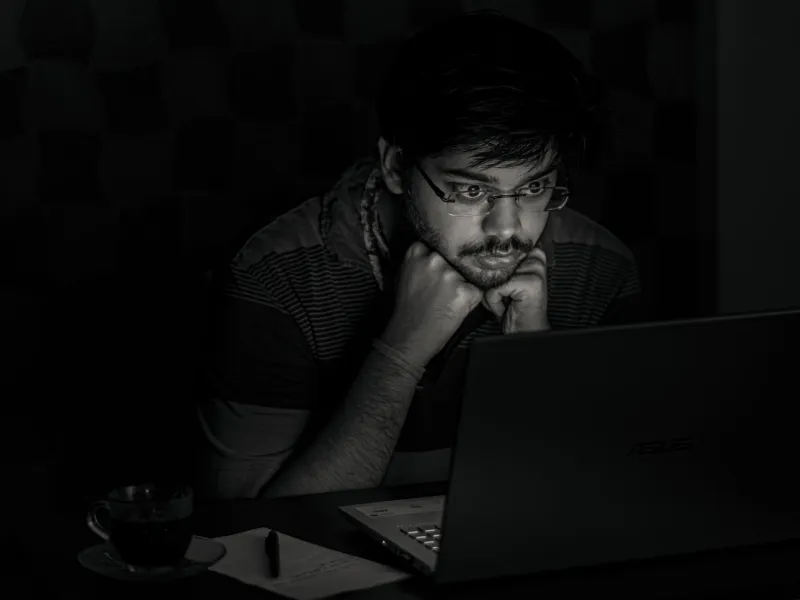
Your Drafts Folder Is a Crime Scene and You Are the Only Suspect

Forensic investigators have crime tape. Archaeologists have brushes and tiny shovels. We had an iPhone, a Wi-Fi connection, and the specific brand of reckless courage that only exists on a Tuesday afternoon when you've had too much cold brew and not enough human contact.
We went into the drafts folder. All of it. The Notes app graveyard. The half-typed iMessages. The voice memos that start mid-sentence like we were already arguing. The texts that live in that weird purgatory between "compose" and "send" where all your bravest thoughts go to slowly fossilize.
What we found was not pretty. What we found was, frankly, legally actionable.
The Taxonomy of Cowardice: A Field Guide
Not all unsent messages are created equal. After extensive research — meaning we read through an embarrassing number of our own drafts while eating cereal at noon — we identified five distinct species of unsent text, each representing a unique flavor of personal failure.
Tier S: The Drunk Philosopher. This is the message composed at 1:47 AM with the absolute certainty that you have cracked something fundamental about the human condition, your relationship with your college roommate, or the specific way someone laughed at your joke wrong in 2019. These drafts read like a crossover episode between a Hallmark movie and a Camus novel. "I think we were both scared" appears in approximately 100% of them. They are never sent. They are never deleted. They just sit there, aging like fine wine, except the wine is shame.
Tier A: The Confrontation That Wasn't. You were wronged. You knew it. You typed out a measured, articulate, devastating response to someone who absolutely deserved it. You used full sentences. You had bullet points. You cited specific dates. And then you closed the app and watched four hours of television instead. This draft is the best writing you have ever done. No one will ever know.
Tier B: The Compliment You Couldn't Deliver Sober. "Hey I just wanted to say you're actually really funny and I think people underestimate you" — addressed to someone you see every week, someone who would probably genuinely appreciate this, someone you will continue to never say this to until one of you moves away or dies. The draft remains. The compliment does not.
Tier C: The Apology Infrastructure. Multiple drafts, multiple revisions, a whole essay on what you did wrong and why and what you wish you'd done differently. You rewrote it six times. You asked a friend to review the third draft. The fourth draft was better. You sent none of them. You sent a meme instead. The meme was not sufficient.
Tier D: The Random Thought Addressed to No One. "Does the ocean get tired" is in here somewhere. So is a half-finished grocery list that somehow became a meditation on mortality. These are not unsent messages so much as evidence that your brain is running seventeen background processes at all times and occasionally one of them leaks into your Notes app.
What Your Drafts Are Actually Saying About You
Here's the conspiracy nobody is talking about: your drafts folder is not a failure archive. It is a brutally honest portrait of who you are when you drop the performance.
Every unsent text is a tiny referendum on vulnerability. You had the thought. You formed the words. You did the emotional labor of articulating something true about how you feel. And then — right at the finish line, right at the exact moment when communication could have happened — you blinked.
The drafts folder is where your actual self lives. The sent folder is the highlight reel. The drafts folder is the director's cut with all the scenes that were too raw, too honest, or too likely to require a follow-up conversation you weren't ready to have.
Which means that somewhere in your phone right now is a more authentic version of you, sitting quietly in a text box, waiting for a courage that may never come.
That's not depressing. That's just the human condition with push notifications.
The Ghost in the Machine (Is You, Haunting Yourself)
There's a specific phenomenon we're calling "self-ghosting" and it is rampant. You ghost your own thoughts the same way you ghost a Hinge match who sent a perfectly reasonable second message. You had something to say. You chose silence. You moved on. The thought is still there, double-tapping the screen, wondering what it did wrong.
The cruelest part? Most of the things in your drafts folder would have been fine to send. The confession would have been received okay. The apology would have landed. The compliment would have made someone's entire week. The devastating takedown of your coworker's passive-aggressive email behavior was — let's be real — probably warranted.
But we don't send them, because sending them means existing in the world as someone who says true things out loud, and that is terrifying in a way that is genuinely difficult to explain to anyone who doesn't also have forty-three unsent messages to people they love.
The Verdict
We submit the following findings into the record:
Your drafts folder is a portrait of your fear. It is also a portrait of your capacity. You were brave enough to think the thing. You were brave enough to write the thing. You stopped exactly one step short of the thing mattering.
That gap — between typing and sending, between feeling and expressing, between who you are in your drafts and who you are in your sent folder — that gap is not a flaw. It is, unfortunately, very human. It is the space where most of your actual emotional life is happening, quietly, in airplane mode.
The drafts folder is not a crime scene.
It's a love letter you wrote to yourself about all the ways you almost weren't afraid.
Now please, for the love of everything, go send at least one of them. Not the 1 AM one. But maybe the one about how much you appreciate your friend. That one's been sitting there since March.
It's time.
(The Notes app graveyard will still be here when you get back. It always is.)