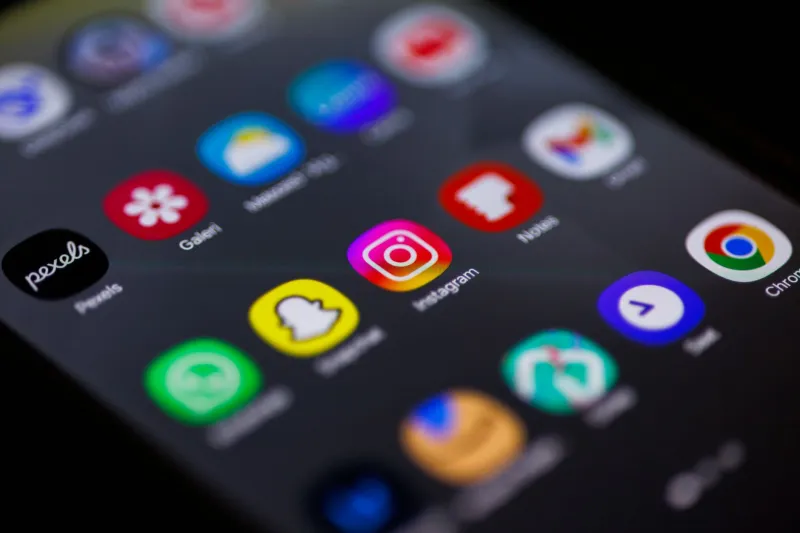
You Downloaded a Meditation App at 2 AM and Deleted It Before Lunch: A Eulogy
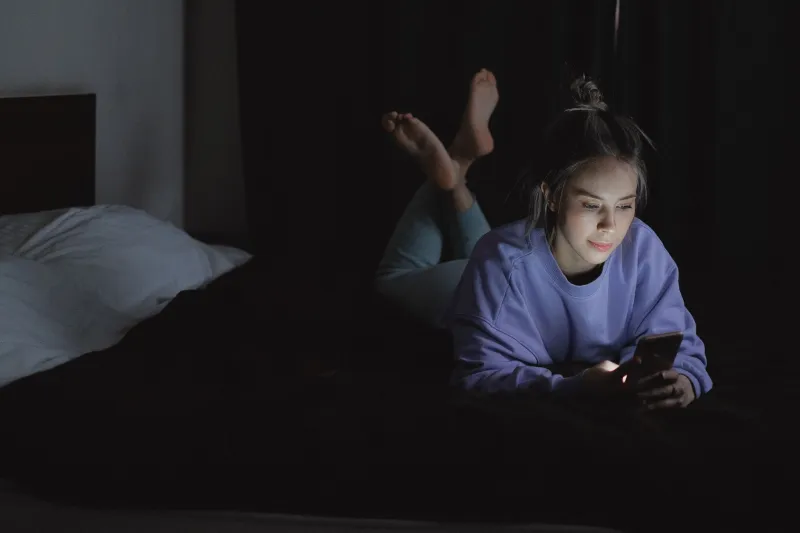
There is a very specific kind of person who downloads a habit-tracking app at 2:17 in the morning. That person is you. That person is all of us. That person is lying in bed with their phone six inches from their face, pupils blown wide open, fully convinced that this time — this app, this notification schedule, this color-coded goal system — is going to be the structural intervention that transforms them into someone who wakes up at 5 AM, journals, and genuinely enjoys it.
By Tuesday, the app is dead. You killed it. You killed it the same way you killed the last one, and the one before that, and the one that had the little cartoon fox that cheered when you drank water. You deleted the fox app. You monster.
The Onboarding Ritual Is a Trap and You Walk Into It Every Single Time
Here's what nobody tells you about the 2 AM download spiral: the app doesn't even get a chance to fail you on its own merits. It fails you during onboarding, which is somehow both the most optimistic and most exhausting five minutes in modern human experience.
You open the app. It wants to know your goals. You select six goals because you're feeling ambitious. It asks you how many minutes per day you can commit. You type fifteen, knowing full well you're going to type fifteen and then spend those fifteen minutes watching the same forty-second video of a raccoon washing a grape. The app responds with an animation — confetti, probably, or a little star — and tells you that you're already crushing it.
You are not crushing it. You haven't done anything yet. You selected some checkboxes at 2 AM. A raccoon has washed more grapes tonight than you have completed wellness milestones, and the raccoon isn't even using an app.
But the onboarding dopamine hit is real, and it is powerful, and it is specifically designed to feel like progress so you forget that progress and the feeling of progress are not the same thing. You go to sleep feeling like a person who has their life together. The app sends you a notification at 7 AM. You swipe it away. It sends another one at noon. You feel a flicker of guilt so intense you briefly consider deleting the app just to make the guilt stop, and then you do exactly that.
The Three-Name Phenomenon: Downloading the Same App Forever
Science — or at least the deeply unscientific personal data collected from your own phone storage — suggests that most people have downloaded functionally identical apps somewhere between three and eleven times under different names. There's a word for this. Several words, actually, none of them flattering.
Consider the water-drinking app ecosystem alone. There's one with a plant that grows when you hydrate. There's one with a cute cartoon character. There's one that is just a blue circle that fills up. You've had all three. You've also had zero glasses of water today, and the irony is not lost on anyone.
The same pattern plays out across every category of self-improvement software. Meditation apps: downloaded, used for two days, abandoned when the guided breathing exercise made you feel weird. Re-downloaded under a different name six months later. Same result, different cartoon narrator voice. Productivity apps: downloaded, customized obsessively for four hours, never actually used for the task they were designed for, deleted when the folder they lived in started stressing you out. Re-downloaded after seeing a TikTok about someone who built an entire second brain using nothing but sticky notes and one specific app. Spoiler: it was the same app.
This is not a character flaw. This is a feature of the human brain that the app industry has identified, named, A/B tested, and monetized with the enthusiasm of a golden retriever who has just discovered the trash can is open.
The Productivity Theater Industrial Complex
Let's talk about what's actually happening here, because it is both funnier and more depressing than it appears on the surface.
Downloading a self-improvement app scratches the same neurological itch as actually improving yourself, but requires approximately four hundred percent less effort and zero lifestyle changes. Your brain, which is famously terrible at distinguishing between doing a thing and planning to do a thing, releases a small but meaningful amount of satisfaction when you install a running tracker, even if the closest you've come to running recently is speed-walking to your car because it was cold.
This is productivity theater. You are the audience, the director, and the sole cast member of a one-person show called I Have My Life Together Actually, and the apps are your props. They sit on your phone, organized into a folder called something like "Health" or "Goals" or, in particularly chaotic periods, just "🌱," and they perform the function of making you feel like a person who has systems.
The folder is the most important part. The folder is the whole bit. Nobody opens the folder. The folder existing is the point.
The Delete Ceremony and What Comes After
When you finally delete an app — and you will, you always do — there is a brief moment of grief that is genuinely out of proportion to the relationship you had with it. You used this app for a combined total of maybe twelve minutes across four days. You never completed the setup. The app sent you forty-seven notifications you ignored and one passive-aggressive weekly summary that said things like "You haven't logged a mood in 11 days! Everything okay?" and you found that deeply offensive coming from software.
And yet. When you press and hold that icon, when the little X appears, when you tap Delete App and confirm — yes, confirm, because even your phone knows you might be making a mistake — there's a twinge. A small funeral. A quiet acknowledgment that the version of yourself who was going to use this app, who was going to become the kind of person who tracks their sleep and color-codes their goals and drinks the recommended daily amount of water, is also being deleted.
That person was never real. But they had good intentions and a decent aesthetic, and you're going to miss them until approximately 2 AM next Tuesday, when you download a new app and bring them back to life for another forty-eight hours.
The Cycle Is the Point
Here's the most UnsiZeros thing we can tell you: the loop isn't broken. It isn't a bug. It is, in some twisted, beautiful, deeply American way, the entire product.
The app economy runs on your optimism. Specifically, on the fact that your optimism has no memory and resets every few weeks like a phone that's been wiped. Every new download is a fresh start. Every onboarding sequence is a new identity. Every deleted app is a clean slate, which you will immediately fill with another app that promises to be different.
Somewhere out there, the cartoon fox from the water app is waiting. It misses you. It wants you to drink eight glasses a day. It believes in you with the unconditional enthusiasm of a creature that was designed in Figma and has never experienced disappointment.
Download it again. You know you're going to.